
School of Aerospace Engineering
University of Engineering and Technology – VNU
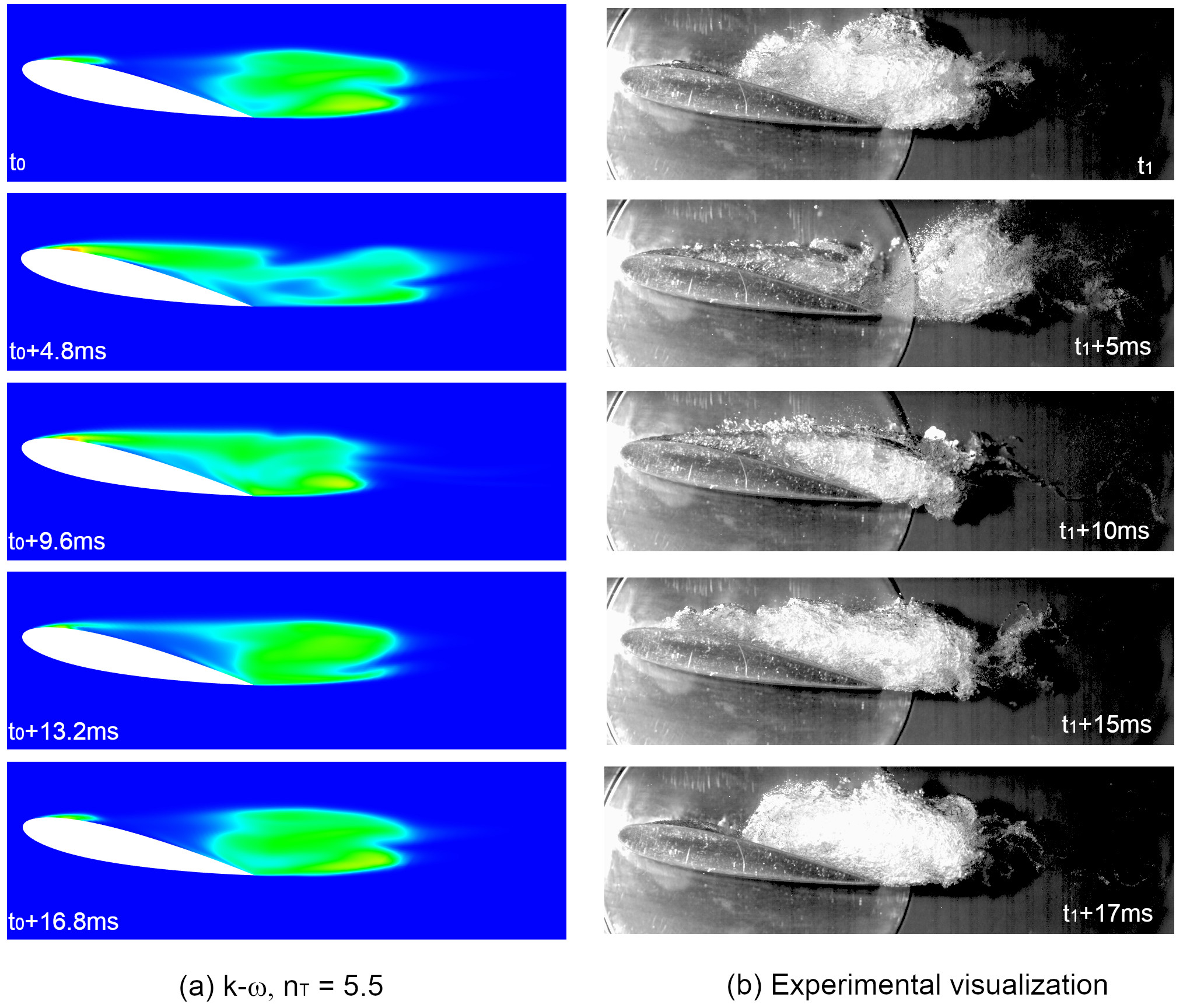
The complex flow phenomenon associated with high-speed liquid-gas mixture flows, especially about cavitation, is studied by using numerical simulation and experiment. Additionally, advancement of fluid machinery systems with the mixture flows is investigated, including the investigation of thermodynamic suppression effect of cavitation, development of numerical method and model for cavitation, and wake cavitation instability
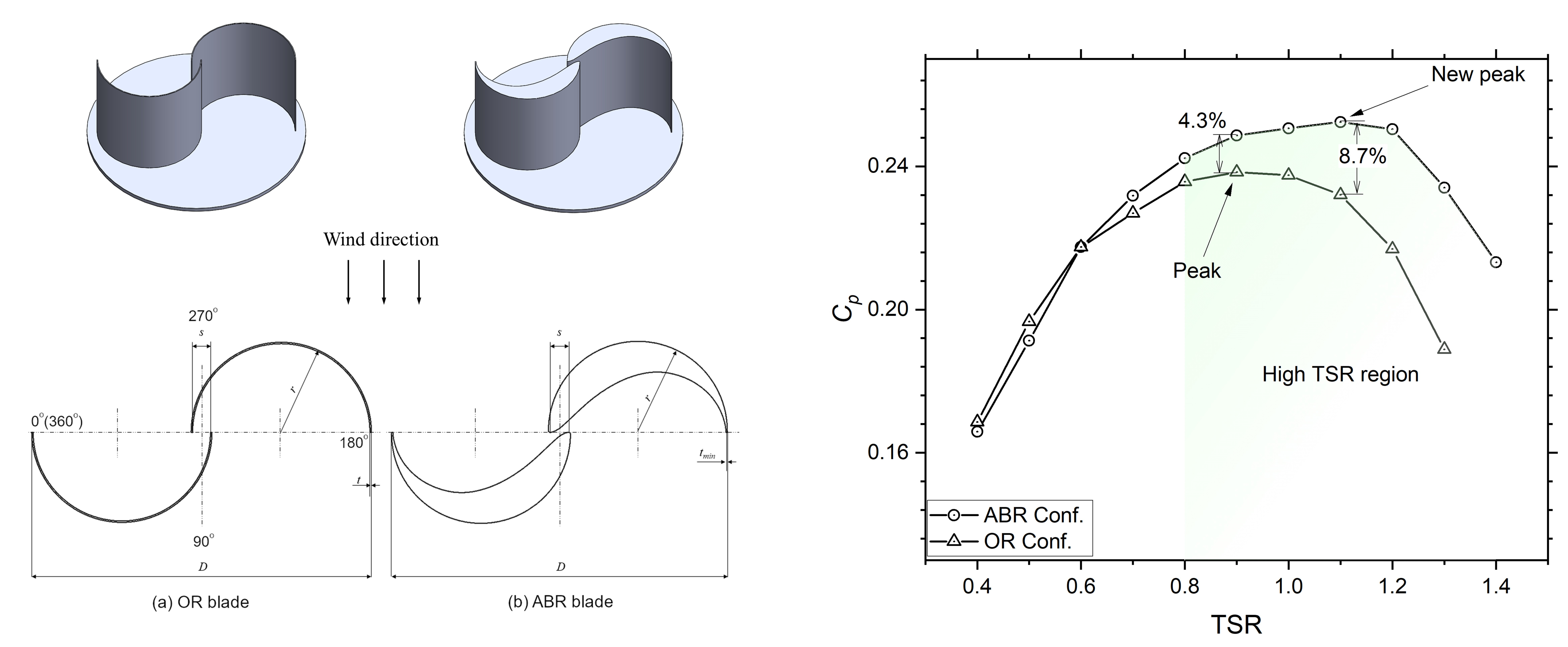
Application of advanced CFD techniques for aerodynamic analysis and optimization of wind turbine blade geometries and structural designs to improve aerodynamic performance and power output. The research focuses on the development of turbulence models for wind/hydrokinetic turbines, blade geometry optimization, and the integration of blade–deflector structures.
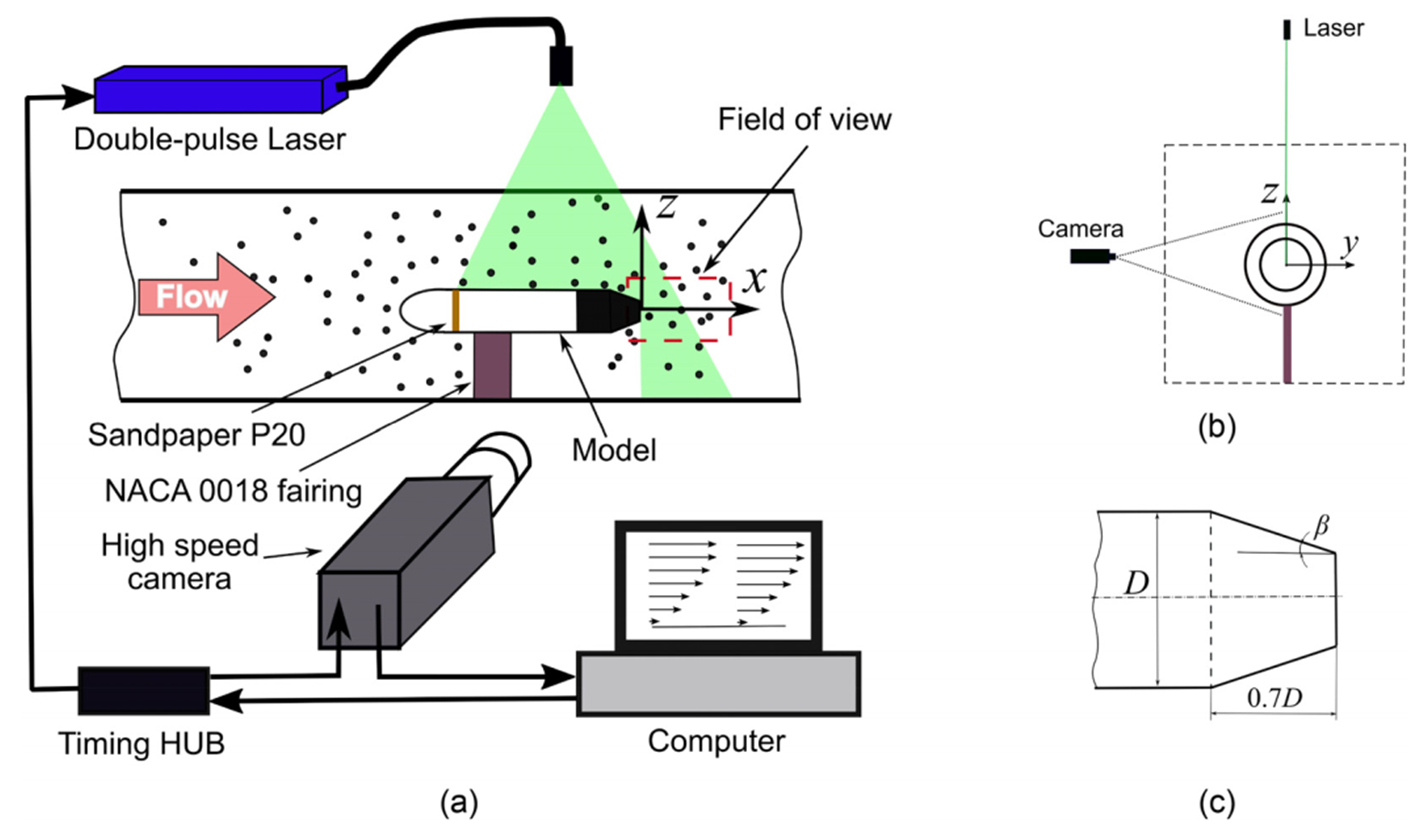
EFD and CFD-based shape optimization aimed at drag reduction, enhancement of heat transfer performance, and overall improvement of fluid–thermal efficiency.
The research group has established collaborative partnerships with research laboratories and research groups at both national and international levels, as well as with industrial partners, focusing on fluid mechanics, renewable energy, and hydro–aerodynamic optimization